

Annecy 2026: Optimism, Honesty, and Why Technology Matters More Than Ever
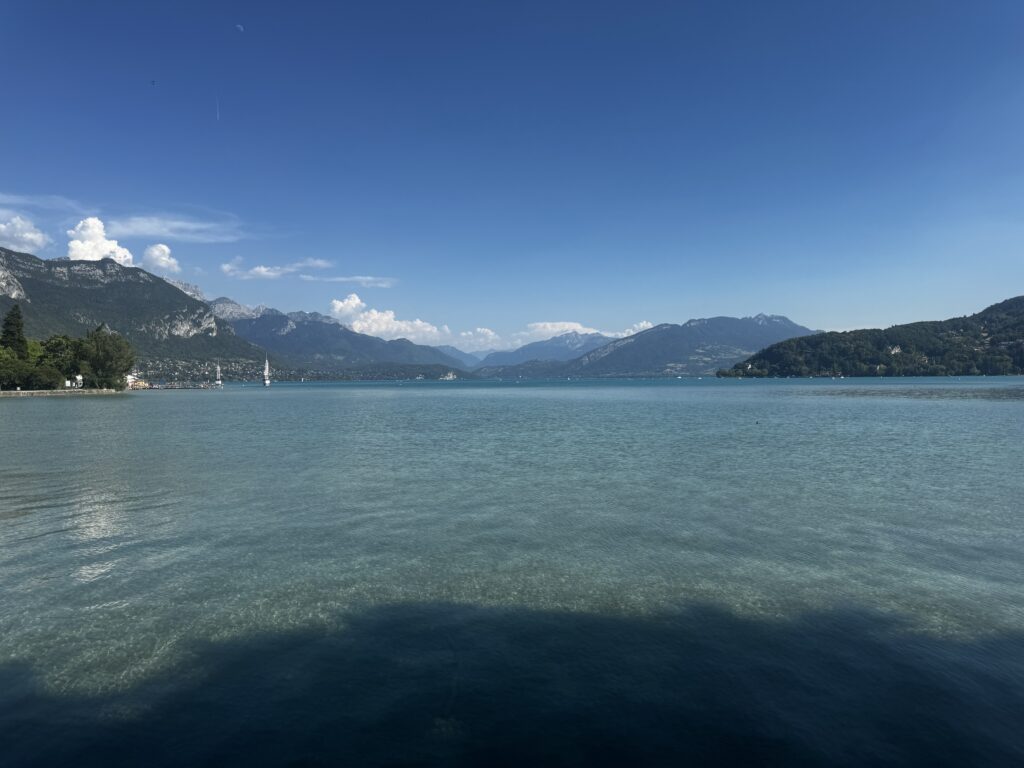
There’s nothing quite like Annecy. A week by the lake with the entire global animation ecosystem in one place, and this year’s edition was the biggest yet.
The atmosphere matched the numbers and the quality of work on screen, from the big studio showcases to the Mifa Feature Pitches, demonstrating that the animation community is as strong as it’s ever been. Even the hottest day on record in France couldn’t dampen the mood, though it did test everyone’s commitment to queueing.
But beneath the celebration, the industry was having a more candid conversation with itself. And it’s one worth paying attention to.
The elephant(s) in the room
Two themes dominated the corridors of the Imperial Palace this year: AI and money.
On the first, the tone has shifted noticeably. Twelve months ago, the conversation around generative AI at Annecy was defined by protest. This year, it was defined by pragmatism. The festival launched Mifa AI, a dedicated programme of conferences, demos, and workshops, alongside the AI4Animation think tank, a multi-year effort to help the industry establish shared best practices around the technology. Whatever your view on AI, the industry has moved from asking whether to engage with it to asking how, thoughtfully, ethically, and on artists’ terms.
On the second, Mifa’s own leadership put it plainly: what’s often described as an animation crisis is really a financing crisis. Demand for animation is growing, audiences want more of it, and more countries than ever are producing it. But budgets are tighter, commissions are harder won, and studios are being asked to deliver the same ambition with fewer resources.
What this means for production technology
Put those two themes together and a clear picture emerges: the studios that thrive over the next few years will be the ones that squeeze the most value out of every hour of artist time and every node of compute they have.
That’s not a new idea to us. It’s the reason render management exists. When budgets contract, the answer isn’t to ask artists to do less or to reduce creativity, it’s to remove the friction between their ideas and the screen. Every render that fails silently overnight, every idle machine, every hour a supervisor spends chasing jobs instead of reviewing shots, that’s creative capacity leaking out of a production that can’t afford to lose it.
Flexibility matters just as much. Production is rarely a straight line: a studio might need every machine it can find, bursting to the cloud, in the final weeks of delivery, then run a fraction of that capacity between projects. The infrastructure has to be able to scale up for the crunch and scale back when the slate quietens, without locking a studio into costs it can’t justify. In a market where the next commission is harder to predict, rendering needs to flex with the business, not sit on the balance sheet as a fixed overhead.
That was the quiet consensus at Annecy this year. Nobody was talking about technology replacing creativity. They were talking about technology protecting it, so that when resources are stretched, it’s the busywork that gets automated, not the artistry that gets cut.
The most encouraging thing about Annecy 2026 was that this understanding felt universal. Nobody was talking about technology replacing creativity. They were talking about technology protecting it, making sure that when resources are stretched, it’s the busywork that gets automated, not the artistry that gets cut.
Leaving the lake
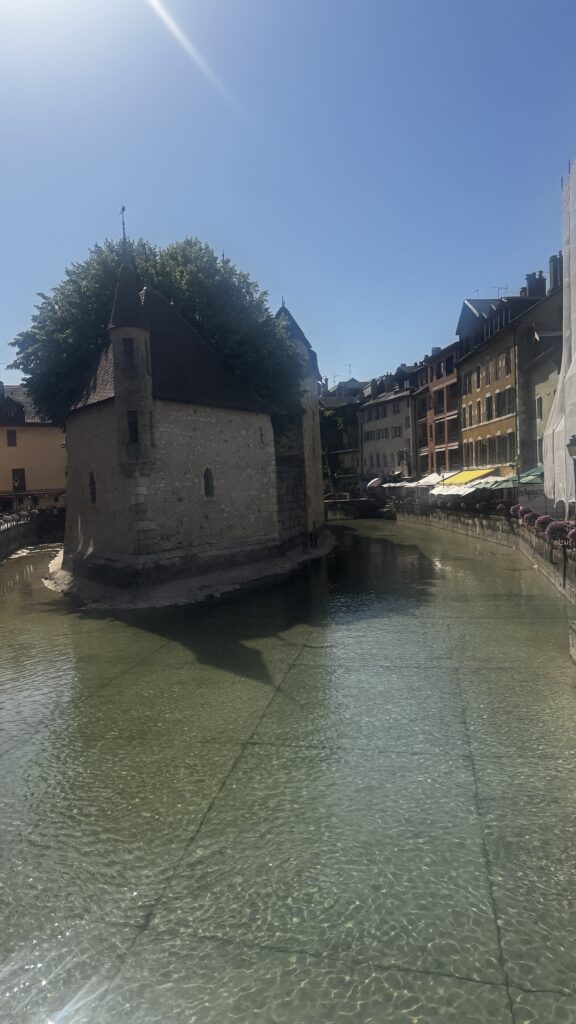
Annecy always sends you home with a full notebook and a slightly sunburnt neck. This year it also sent a clear message: the appetite for animation has never been bigger, the tools have never been more capable, and the margin for wasted effort has never been smaller.
That’s a challenge the whole industry shares, and one we’re glad to be helping studios meet, one render at a time.